

Key Takeaways
- An Alzheimer’s diagnosis brings up many emotions, and that is completely normal
- Simple daily routines and long-term memory connections can bring comfort to your loved one
- Caring for own well-being as a caregiver matters just as much as the care you provide
- Respite memory care can offer short-term support for both families and loved ones
- Memory care communities offer person-centered environments built around individual identity
What Families Feel After an Alzheimer’s Diagnosis
Hearing that someone you love has Alzheimer’s can bring a wave of emotions all at once. Grief, fear, and uncertainty often sit side by side, and there is no single right way to feel. What matters most right now is knowing that you are not alone in this.
There are real, meaningful ways to support your loved one through this journey, and the steps you take today can make a genuine difference for both of you. From simple daily habits to exploring professional memory care, there are practical ways to help your family move forward with care and compassion.
7 Ways to Support Your Loved One After a Diagnosis
1. Listen Without Trying to Fix Everything
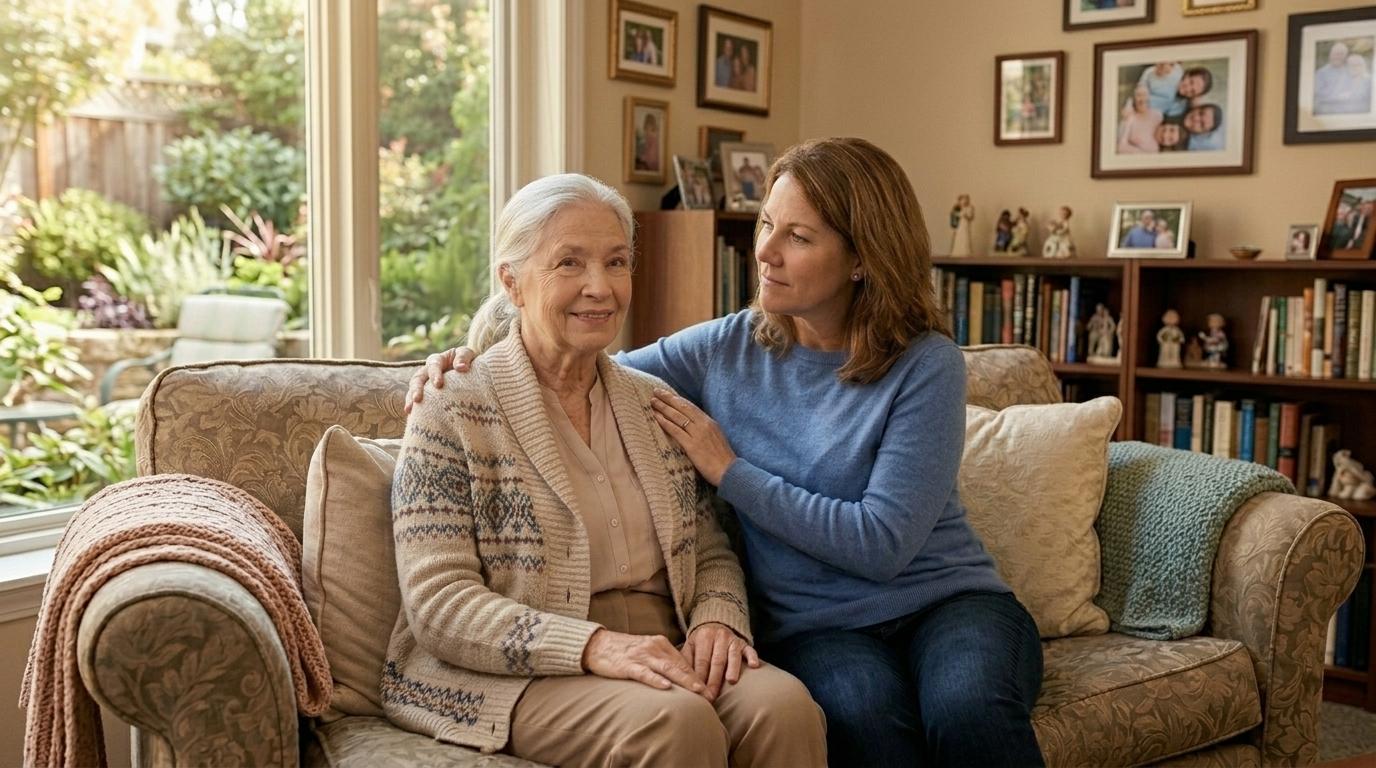
Sometimes the most powerful thing you can do is show up. Your loved one may need space to express fear, sadness, or confusion without feeling rushed toward a solution. Sitting beside them, holding their hand, and letting them speak at their own pace can offer more comfort than any words.
2. Learn About Alzheimer’s and Dementia Care
Learning about Alzheimer’s and dementia care helps reduce the fear of the unknown. When you understand what changes may come and why, you can approach caregiving with more clarity and less anxiety. Look for straightforward, family-focused resources that explain things in plain language rather than medical terms.
3. Build a Consistent Daily Routine
Familiar patterns offer a quiet sense of security for someone living with Alzheimer’s. When each day follows a gentle structure, like meals at the same time, a morning walk, or an evening activity, it can reduce confusion and help your loved one feel more at ease. Small, predictable moments carry more weight than most people realize.
4. Stay Connected to Shared Long-Term Memories
Long-term memories often remain vivid even as short-term recall becomes more difficult. Flipping through old photo albums, playing music from their younger years, or revisiting a lifelong hobby can spark meaningful moments of connection.
These touchpoints do more than entertain. They remind your loved one of who they are. There are many simple, memory-friendly activities you can try together at home.
5. Take Care of Your Own Well-Being Too
Caregiver burnout is real, and it can build up gradually. Giving so much of yourself day after day takes a toll, and stepping back to rest is not a sign of weakness. Respite care offers a short-term stay in a memory care community, giving caregivers a chance to recharge while their loved one receives attentive, professional support.
6. Lean on a Support Network
You do not have to carry this alone. Family members, close friends, and local support groups can all help share the weight of caregiving. When responsibilities are distributed, everyone, including your loved one, benefits from a calmer, more sustainable environment.
7. Explore Professional Memory Care When the Time Comes
There may come a time when professional memory care becomes the right next step. A thoughtful community offers structured support, familiar routines, and a warm environment where your loved one can continue to grow socially and emotionally.
When your loved one joins a memory care community, it’s not about stepping back. It’s about bringing in the right kind of help so you can refocus on your role as a loving family member. For many family caregivers, moving to a memory care community sooner can help offer peace of mind.

What to Look for in a Memory Care Community
Person-Centered Approaches to Daily Life
A quality memory care community does more than manage day-to-day needs. Look for a place that builds care around who your loved one actually is, their history, passions, and spiritual life, not just a diagnosis.
Programs that nurture intellectual curiosity, encourage personal growth, and celebrate individuality can meaningfully support your loved one’s sense of self. Exploring what services, amenities, and environment are essential to make a great memory care community can help you ask the right questions during a visit.
Family Involvement and Ongoing Connection
Family connection does not stop at the front door. Look for communities that welcome family members to join for meals, participate in events, and stay genuinely involved in their loved one’s daily life. Those regular touchpoints help maintain the relationships that matter most to your loved one.
How Respite Care Can Support the Whole Family
Respite memory care offers a short-term stay in a supportive community environment. During that time, your loved one gains complete access to activities, amenities, and compassionate care while you take the break you need.
For many families, a short-term stay also becomes a natural way to explore whether a community feels like the right long-term fit. Respite care can be a meaningful option for families at many different stages of the caregiving journey.
Next Steps for Families in Orchard Park
If your family is navigating an Alzheimer’s diagnosis, reaching out early gives you more time to explore options without pressure. Our team at Peregrine Senior Living at Orchard Park can help families and loved ones navigate the changes that come after a diagnosis, with personalized care plans for each resident.
Visiting us for a tour can answer your questions, ease uncertainty, and help you picture what daily life could look like for your loved one. You are welcome to reach out whenever you are ready.









No more posts