
Key Takeaways
- Regular physical activity supports circulation to the brain and contributes to overall cognitive wellness.
- Different forms of movement can support attention, mood, sleep, coordination, and social engagement.
- Older adults do not need strenuous exercise to benefit from staying active.
- Families can encourage activity by focusing on familiar, manageable, and personally meaningful forms of movement.
- Senior living can make regular activity easier to incorporate through structured programs, accessible spaces, and social opportunities.
Why Physical Activity and Brain Health Go Hand in Hand
Staying physically active supports more than strength, balance, and mobility. Movement also promotes healthy circulation and gives the brain plenty to do as the body responds to directions, surroundings, and different types of activity. And for older adults, those everyday opportunities to move can support both physical and cognitive wellness.
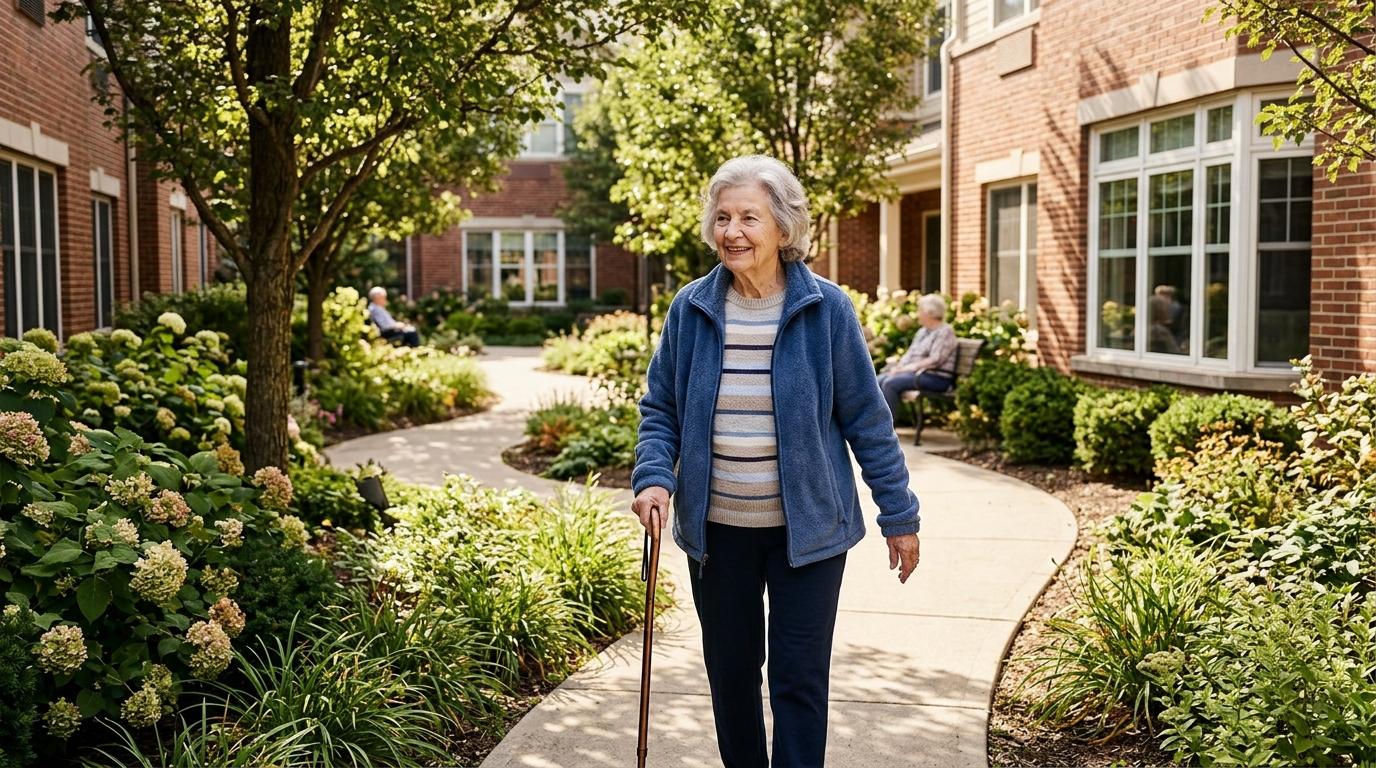
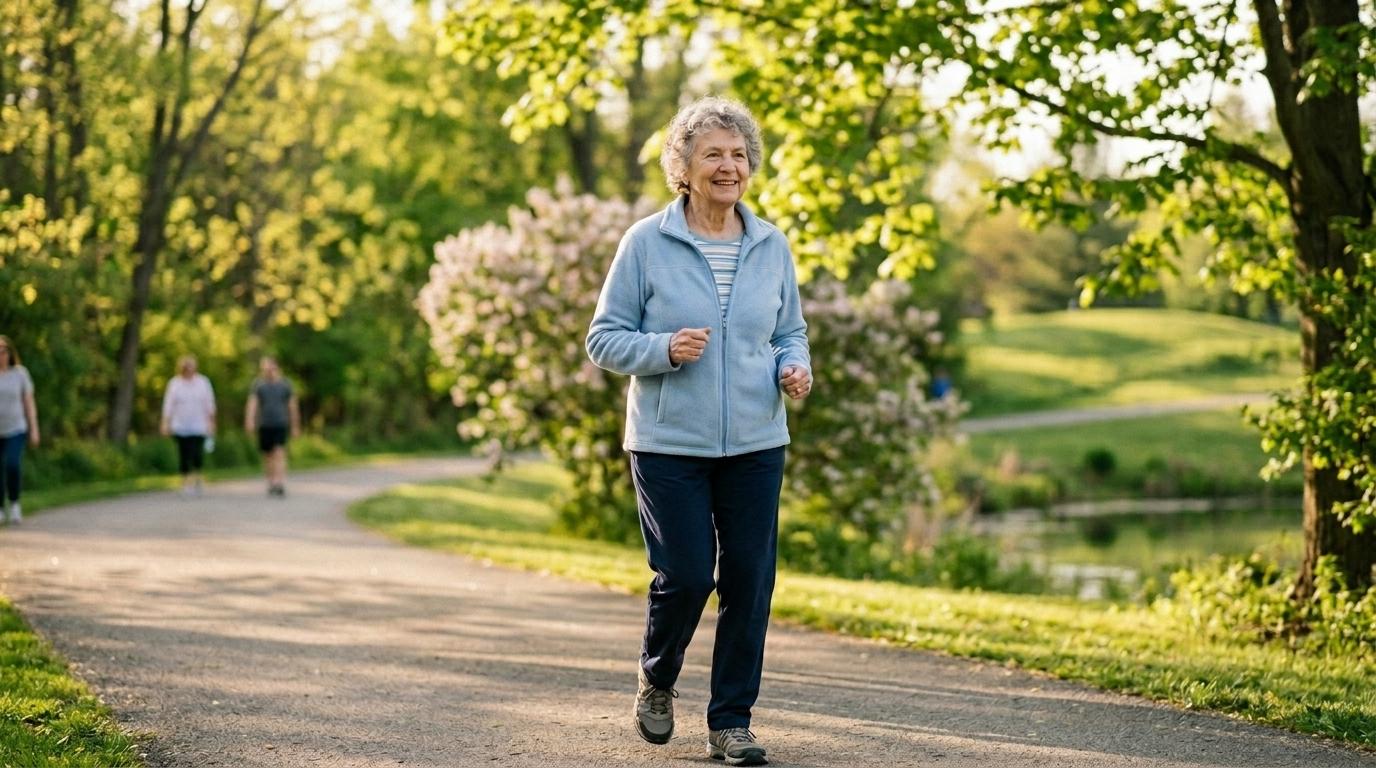
Exercise doesn’t have to be strenuous to play a role in brain health. A walk outdoors, some gentle stretching, time in the garden, or a group fitness class can add meaningful movement to the day. These activities can support mood, sleep, social connection, and mental engagement while keeping the body active.
The Cognitive Benefits of Staying Active
The brain and body work together during nearly every form of physical activity. And because movement can involve everything from coordination to conversation, its benefits can reach several areas connected to cognitive wellness.
Supporting Blood Flow to the Brain
Physical activity gets the heart pumping and supports circulation throughout the body, including the brain. That circulation carries the oxygen and nutrients the brain needs to function. So regular movement can be one part of an older adult’s broader approach to supporting brain health.
Supporting Attention and Mental Engagement
Movement often asks the mind to stay involved. Following steps in an exercise class, finding the way along a walking route, or coordinating movements during a game all require some degree of attention. And activities involving rhythm, directions, or changing surroundings can provide additional mental stimulation.
Supporting Mood and Restful Sleep
Staying active can support emotional wellness and healthy sleep habits, which can influence how alert and engaged someone feels during the day. Movement also breaks up long periods of sitting and brings some variety to a daily routine. Even a short walk or gentle activity can provide a welcome change of pace.
Encouraging Social Connection
Some of the easiest ways to stay active are also social. A walk with a friend, group fitness class, or afternoon of dancing gives older adults a chance to move while spending time with others. And that combination can bring conversation, companionship, and stimulation into an active routine.
Tips for Helping an Older Adult Stay Active
There isn’t one right way for an older adult to stay active. Interests, mobility, energy, and comfort all matter, and families can offer support without turning movement into another obligation.
Start With Familiar Activities
Exercise doesn’t have to mean setting aside time for a formal workout. Walking, gardening, dancing, and active hobbies can all bring more movement into the day. Starting with something familiar can make staying active feel more natural and less like a chore.
Keep Movement Manageable
A long workout isn’t necessary to make activity part of the day. Short walks, a few gentle stretches, or another manageable activity like a simple foot exercise can be easier to work into an older adult’s routine. The pace and type of movement should fit their mobility, energy, and health needs.
Make Activity Social
Company can give older adults another reason to get moving. Family members can take a walk together, join a loved one for an activity, or encourage participation in a community group. But the activity doesn’t need to be complicated! Sometimes, getting outside and moving together is more than enough.
Build Activity Into a Routine
Regular opportunities for movement can make activity a familiar part of the day. A morning walk, afternoon stretch, or scheduled group class creates a natural time to get moving. And for an older adult experiencing memory loss, a consistent routine can mean fewer decisions about when or how to get started.
How Memory Care Helps Residents Stay Active
Finding opportunities to move can be simpler when activities and welcoming spaces are close to home. Memory care can bring exercise, recreation, and social connection into a secure environment, with guidance and activities adapted to residents’ cognitive and physical abilities. This gives residents different ways to keep their minds sharp and engaged.
Physical activity in memory care can include:
- Walking through secure community spaces
- Joining exercise and wellness programs suited to a person’ s mobility levels
- Taking part in group activities that combine movement and social connection
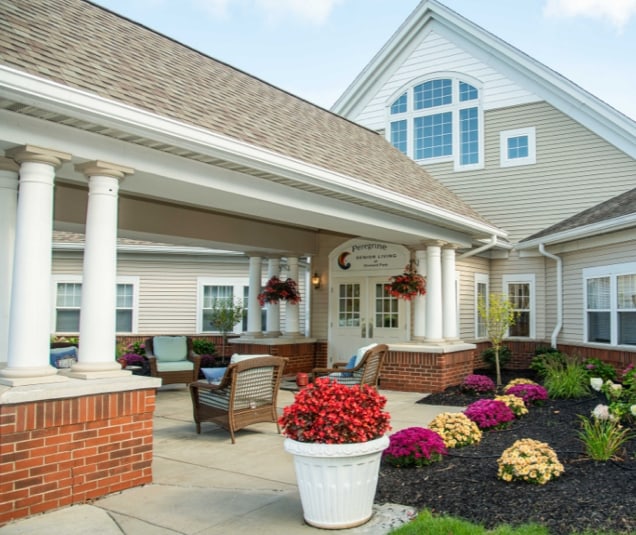
And activity doesn’t always have to come from an exercise class. At Peregrine Senior Living at Orchard Park, our memory care community offers safety, hobby classes, and other wellness programs that give residents different ways to remain engaged.
The Connection Between an Active Body and a Vibrant Life
In a memory care community, regular movement can support brain health while contributing to physical, emotional, and social wellness. Familiar activities such as walking, stretching, and active hobbies give residents opportunities to use coordination and attention while connecting with others. With encouragement and activities suited to their abilities, residents can make movement a meaningful part of everyday life.
At Peregrine Senior Living at Orchard Park, our memory care community helps residents stay connected to themselves and the things they value. The Peregrine Way puts each person’s interests and individuality at the center of community life, with programs and experiences that support continued engagement. Schedule a tour of Peregrine Senior Living at Orchard Park today to learn more about our approach to active, person-centered memory care.








No more posts